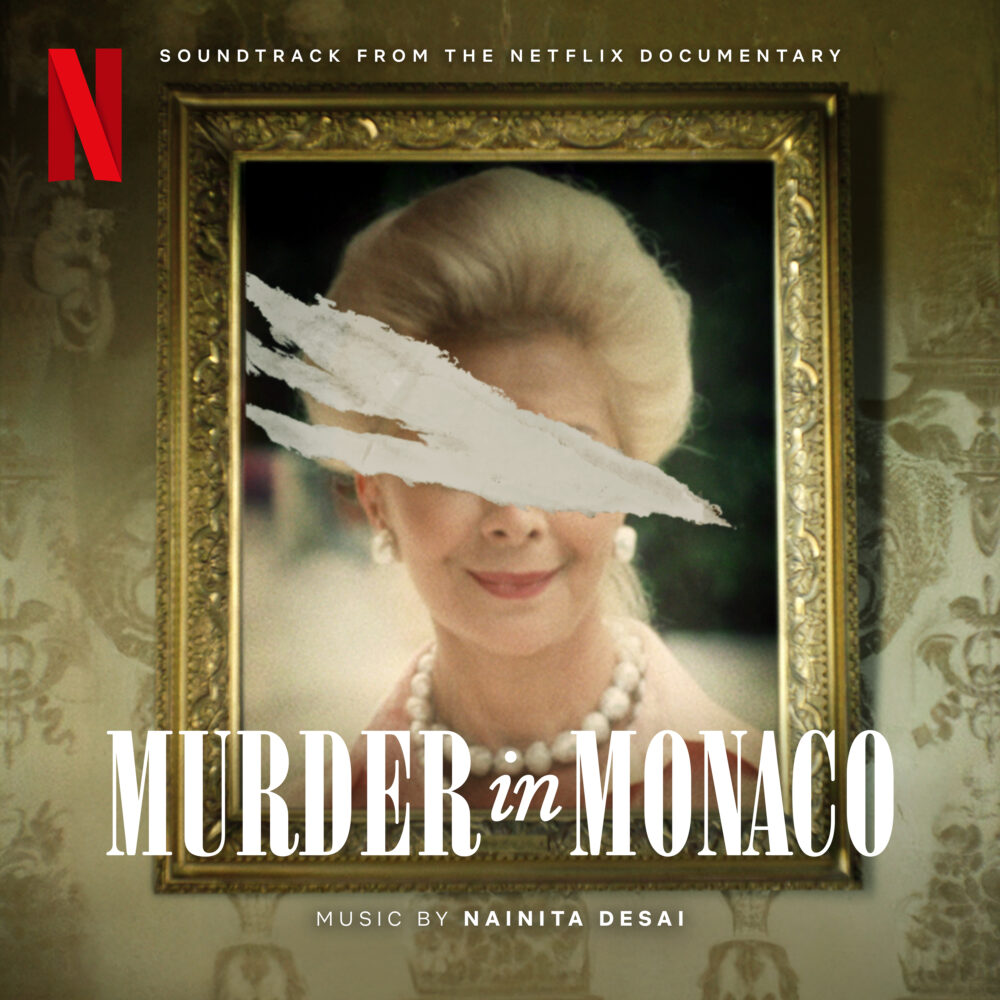
THE MAKING OF THE MUSIC
The score for Murder in Monaco was conceived as a modern, chamber-scale response to a complex true-crime narrative. It is anchored in Ted Maher’s psychological and emotional journey, tracing his path from sudden arrest through imprisonment and escape, to eventual sentencing. From the outset, the music was designed to balance gravity with wit and momentum, reflecting not only the seriousness of the events but also the film’s sense of intrigue and dark irony.
Built around an edgy, contemporary string quartet recorded at Abbey Road, London, the score draws the audience into a world of wealth, glamour, and contradiction - a space where power, performance, and privilege blur the line between truth and theatre. The quartet acts as both narrator and conscience, chosen for its precision, intimacy, and capacity for psychological nuance. Rather than functioning as a traditional dramatic backdrop, it becomes a sharp storytelling engine, agile enough to move between suspicion, irony, and tension.
Short rhythmic figures, pizzicato gestures, and restless ostinati drive the investigation forward, creating a sense of constant motion - a cat-and-mouse pursuit in which certainty remains perpetually out of reach. The quartet’s limited forces mirror the film’s confined settings and close interpersonal dynamics, while its rhythmic flexibility allows the music to shift fluidly between investigation, accusation, and consequence. Tension is sustained through subtle harmonic shifts and evolving textures, built through accumulation and restraint rather than overt display.
Key sequences, including the fire and the subsequent legal proceedings, are underscored with a focus on internal pressure with the occasional bold dramatic outburst. The introduction of modern electronic textures and sound design also expands the palette, adding an essential dramatic layer while maintaining emotional clarity and ethical distance. This approach supports the film’s pacing without sensationalising its subject matter.
Deliberately edgy yet unresolved, the score reinforces the film’s examination of power, accountability, and doubt. Ultimately, it is less concerned with providing answers than with sustaining momentum and curiosity. Like the film itself, the music invites the listener to lean in, question what they are hearing, and decide for themselves where belief, doubt, and truth intersect.
Music technical credits:
Composer: Nainita Desai
Performed by:
Thomas Gould - Violin
Joy Lisney - Cello
Emma Lisney - Violin
Scott Dickinson - Viola
Composer Assistant: Emelye Moulton
Recorded at: Abbey Road Studios
Orchestrator, Copyist: Kezia Tomsett
Conductor: Matthew Slater
Score engineered by: Rich Aitken
Score recordist: Jack Green